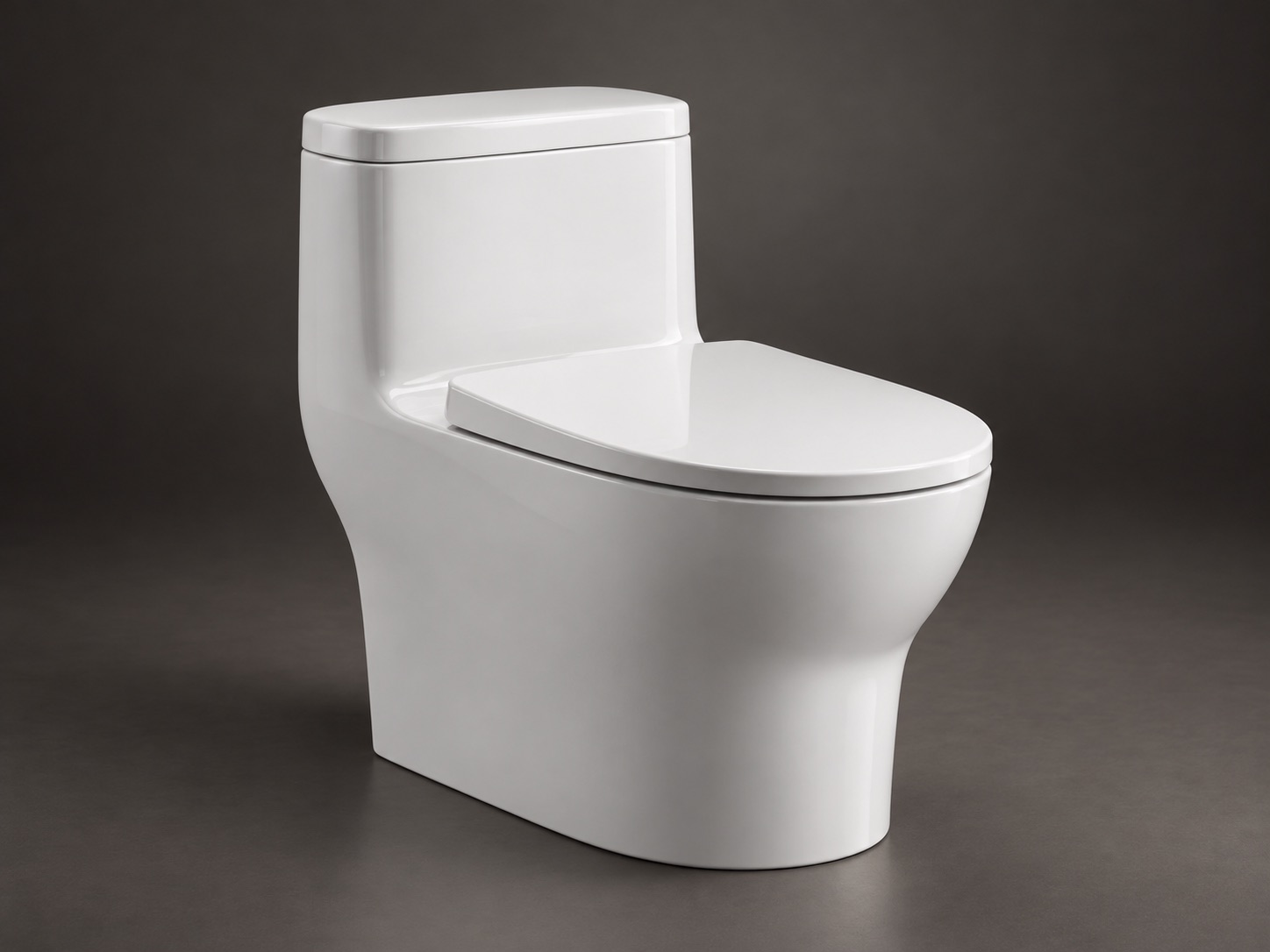
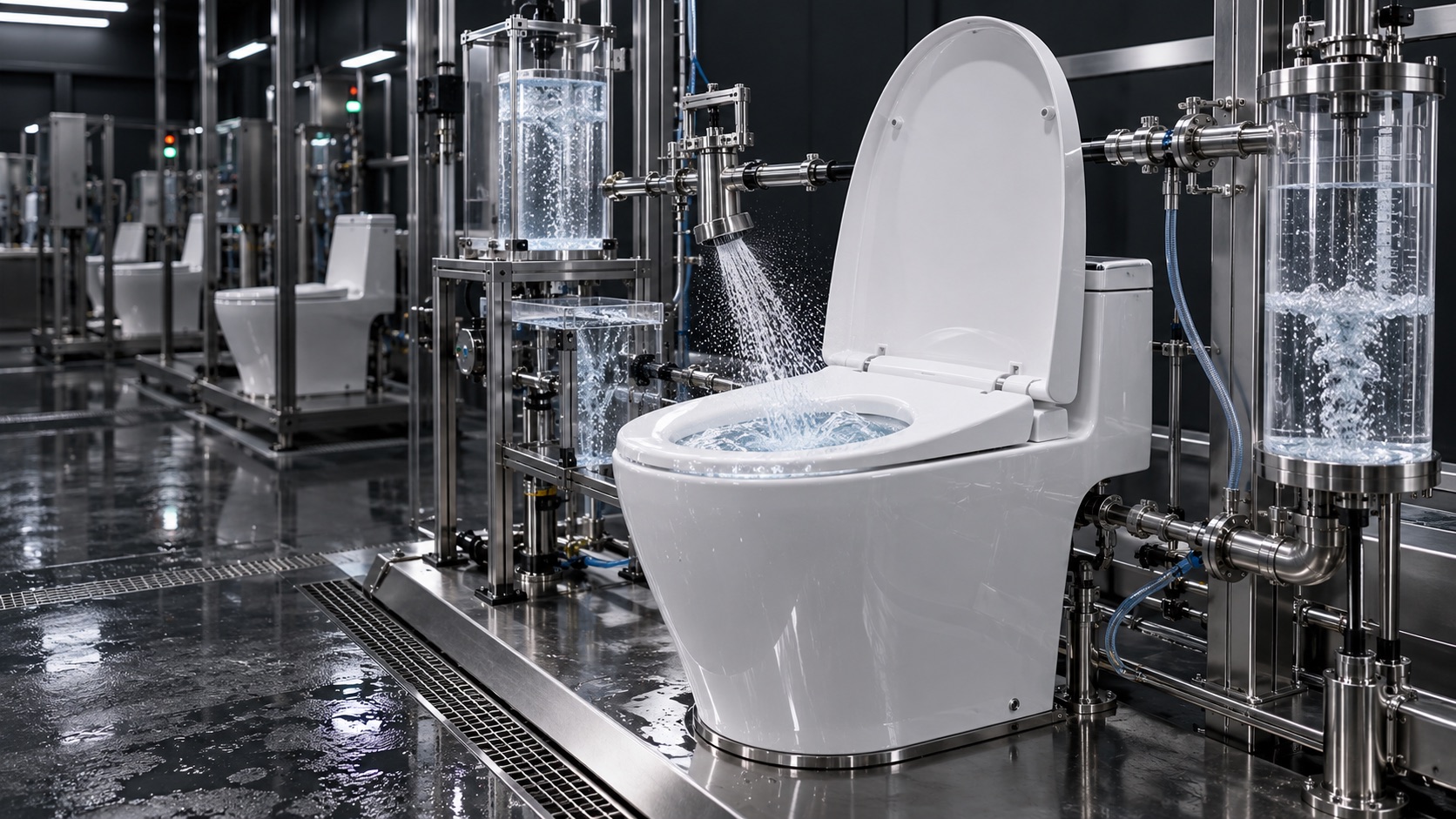
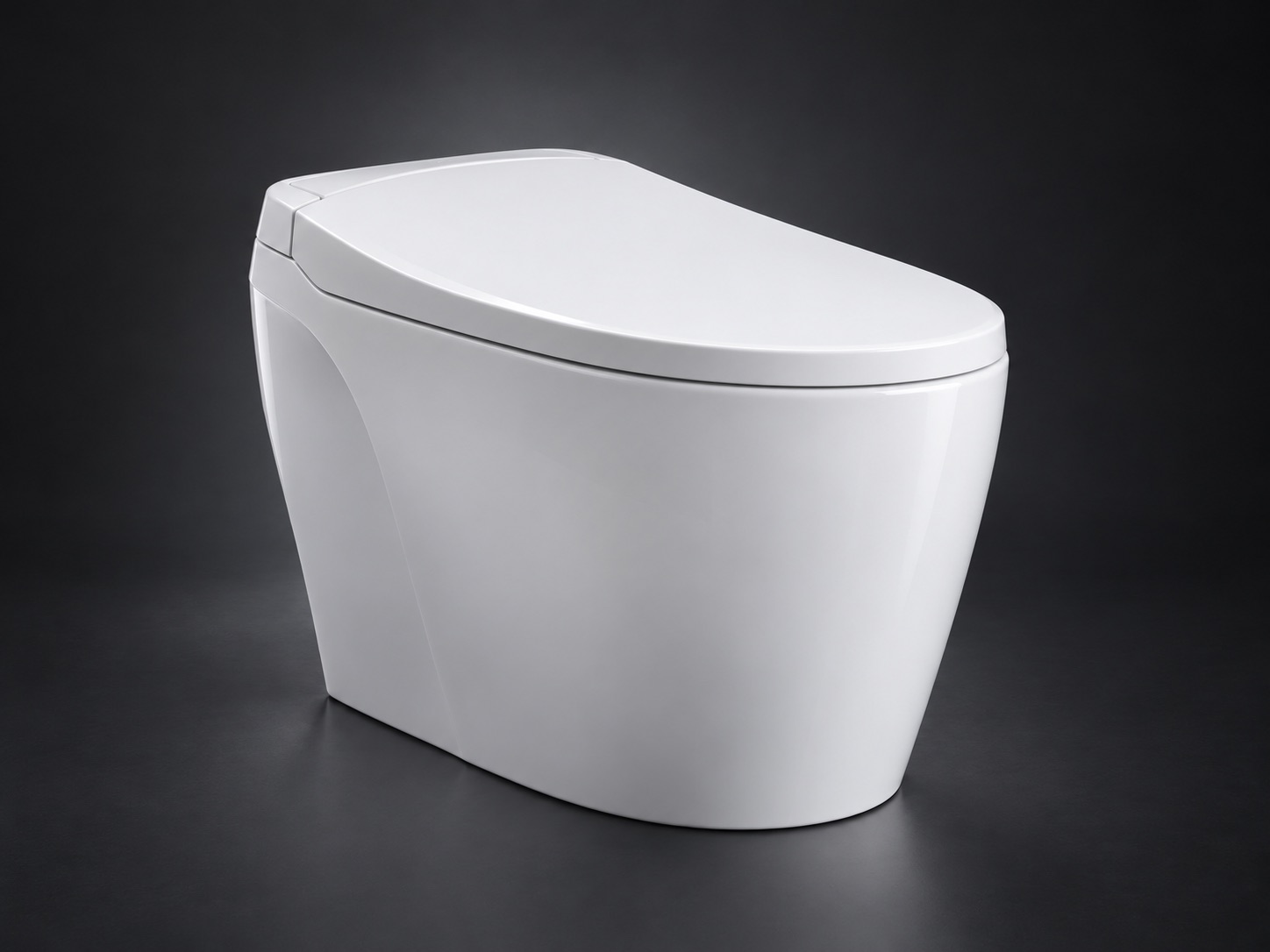
Separate appearance from functional risk
Ceramic products naturally require visual inspection, but not every variation has the same commercial impact. Buyers should define which surfaces are highly visible after installation and which defects can affect sealing, seat fit, flushing or installation.
Review glaze coverage and finish
Inspect the bowl, rim or water-distribution area, trapway where visible, mounting surfaces and exterior. Look for consistent color and gloss, contamination, pinholes, rough areas, cracks and repair marks. The agreed inspection standard should define acceptable viewing distance and lighting.
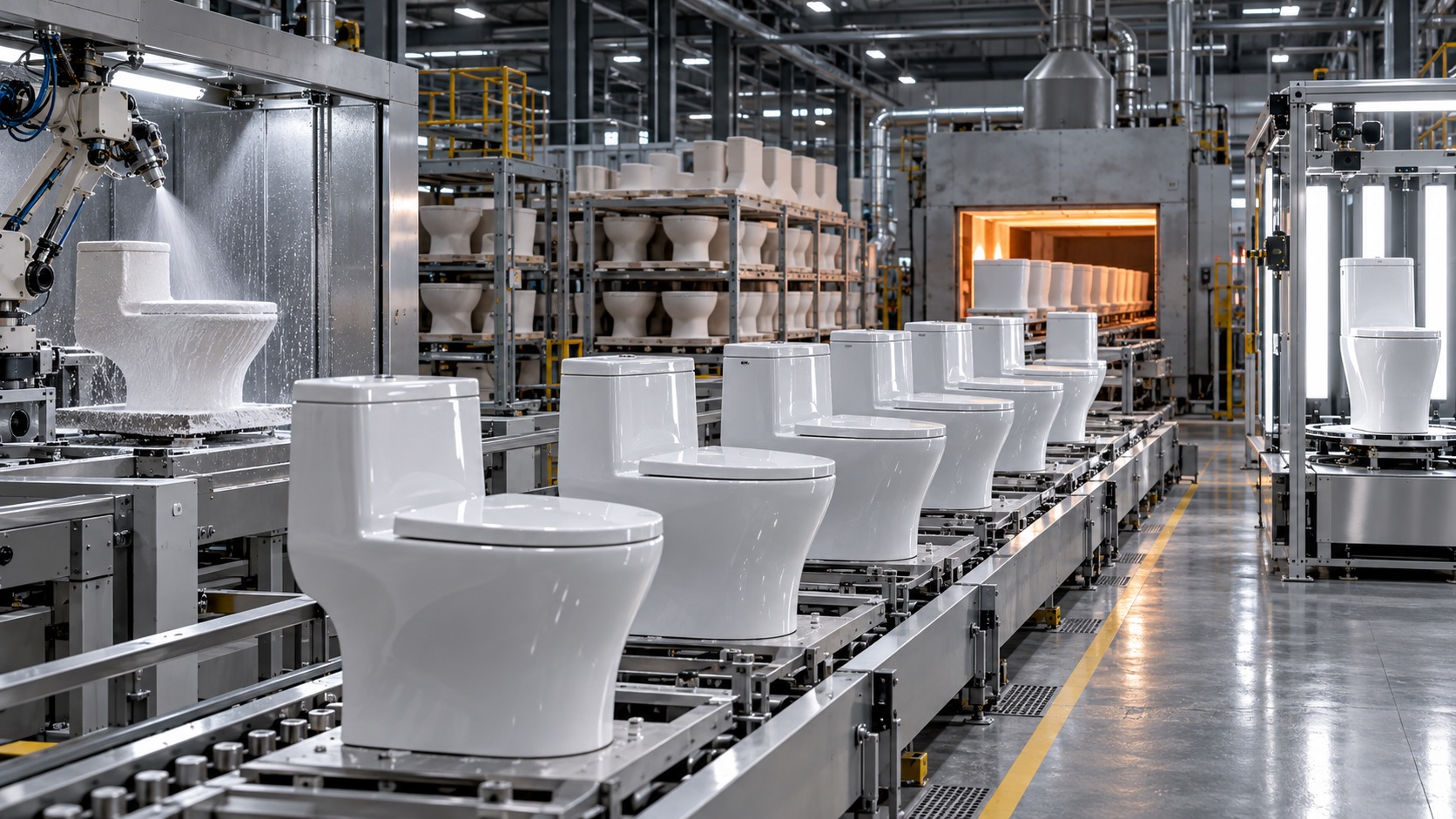
Confirm dimensional consistency
Check overall dimensions, outlet position, fixing holes, tank connection where applicable, seat mounting and contact with the floor or wall. A visually attractive toilet can still create installation problems when critical dimensions vary.
Connect inspection to performance
Glaze and ceramic review should be combined with leakage, flushing, water-seal and stability checks appropriate to the model. For two-piece toilets, verify tank-to-bowl fit. For wall-hung products, confirm fixing and carrier compatibility.
Agree defect language before production
Use photographs and written examples to align critical, major and minor defects. Record the approved sample and inspection method before mass production. Clear criteria reduce subjective disputes and make corrective action more effective.