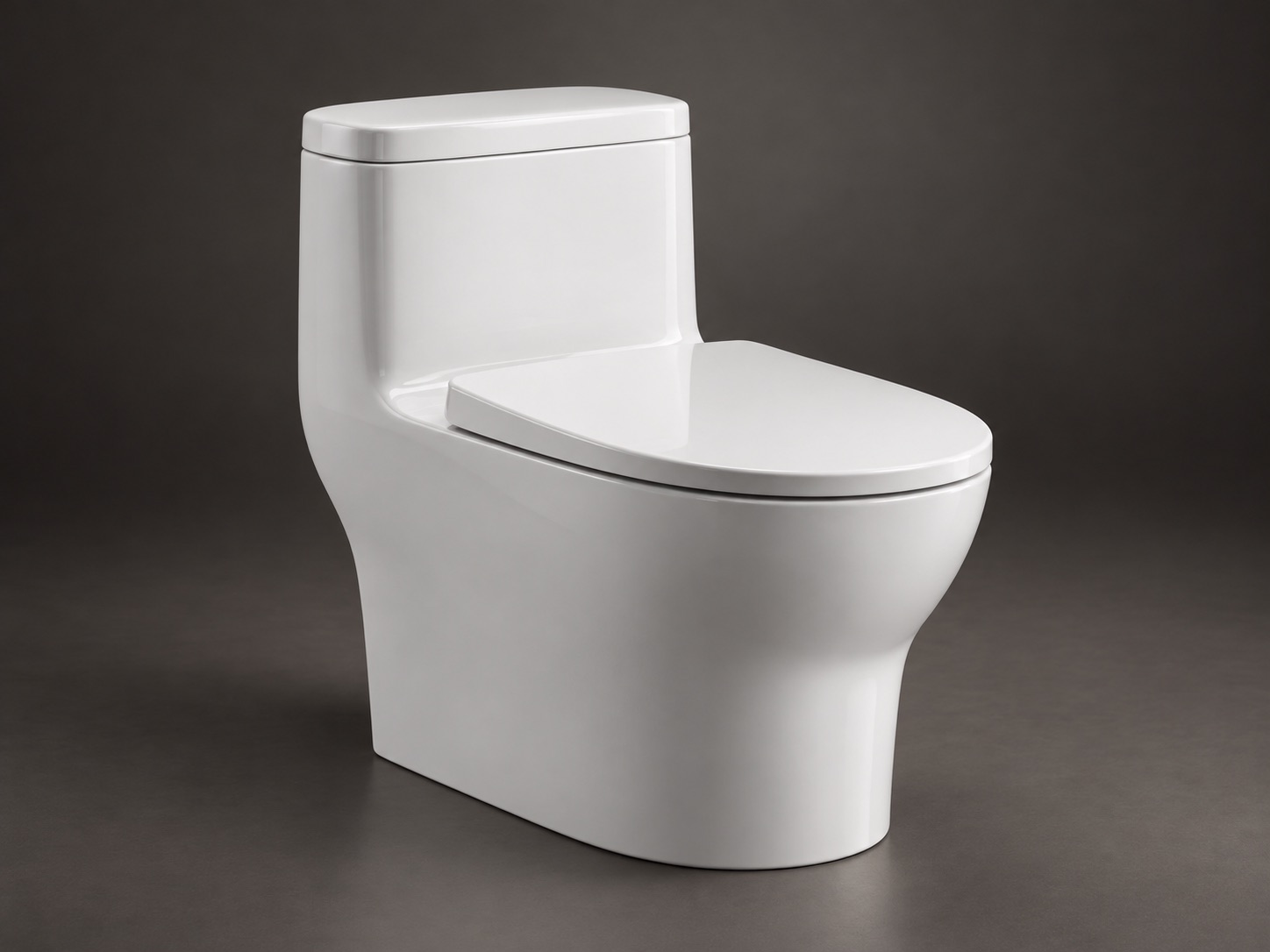
Water conditions influence the product architecture
Smart toilets may use direct supply, an internal tank, a pump-assisted system or a combination. Each platform responds differently to low pressure, pressure fluctuation and restricted flow. The buyer should describe real installation conditions instead of assuming one configuration fits every market.
Ask for both pressure and flow requirements
A static pressure value does not fully describe water delivery during operation. Confirm the manufacturer’s required pressure range, flow conditions, inlet size and any assumptions used during testing. Review whether other fixtures operating at the same time can affect performance.
Consider filtration and water quality
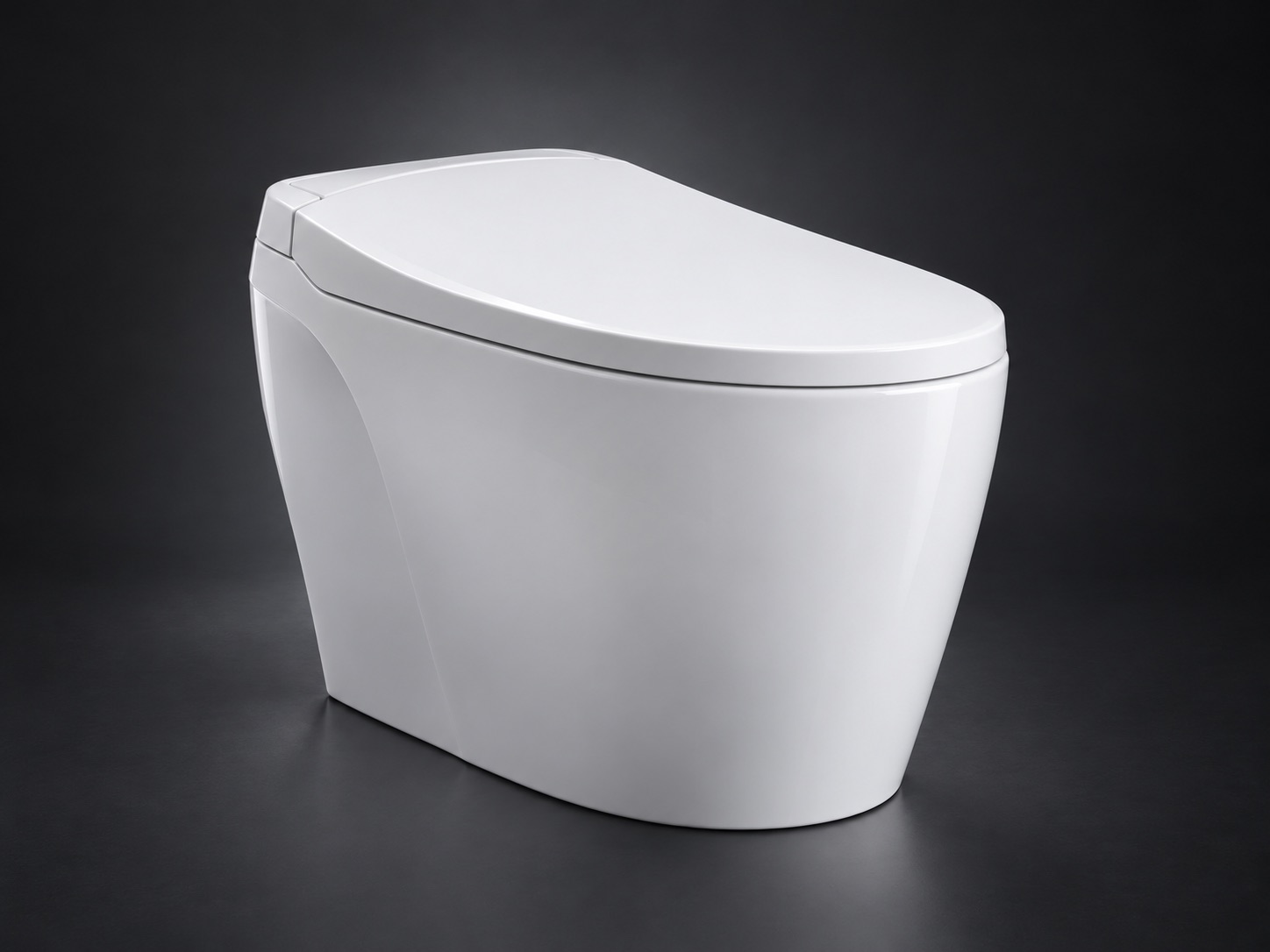
Sediment and scale can affect valves, heaters, pumps and spray components. Confirm whether a filter is included, where it is installed, how it is serviced and what replacement guidance is available. Local water conditions should be included in the after-sales plan.
Test the intended market configuration
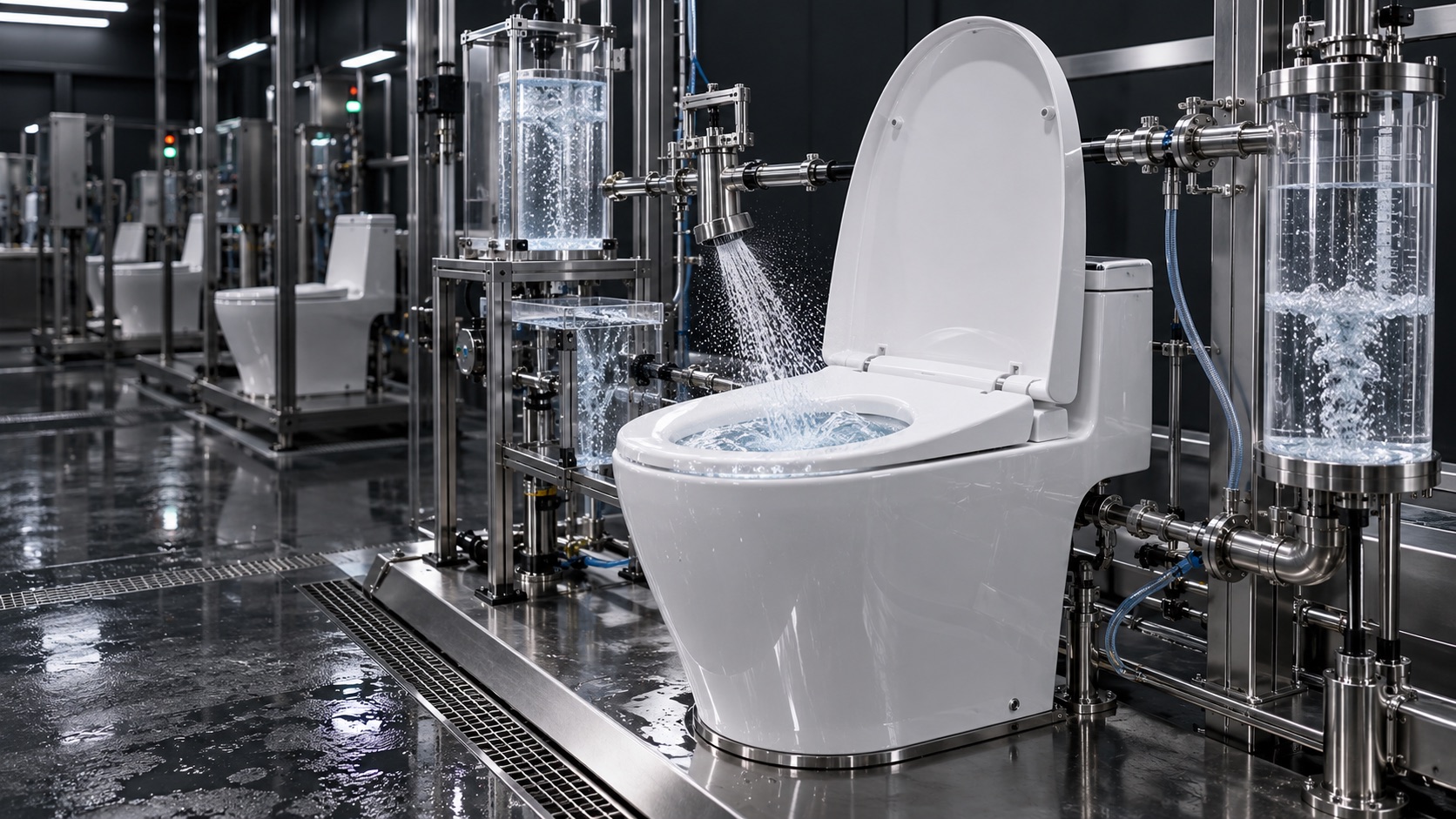
Evaluate wash and flushing performance under representative conditions, including the lower end of the expected pressure range. Check refill time, spray stability, noise and recovery after interruptions. Record the exact sample setup so production and field results can be compared.
Communicate installation limits clearly
Manuals and distributor training should explain inlet requirements, shutoff-valve access, hose routing and conditions that require an alternative platform. Clear limitations reduce installation complaints and protect the private-label brand.