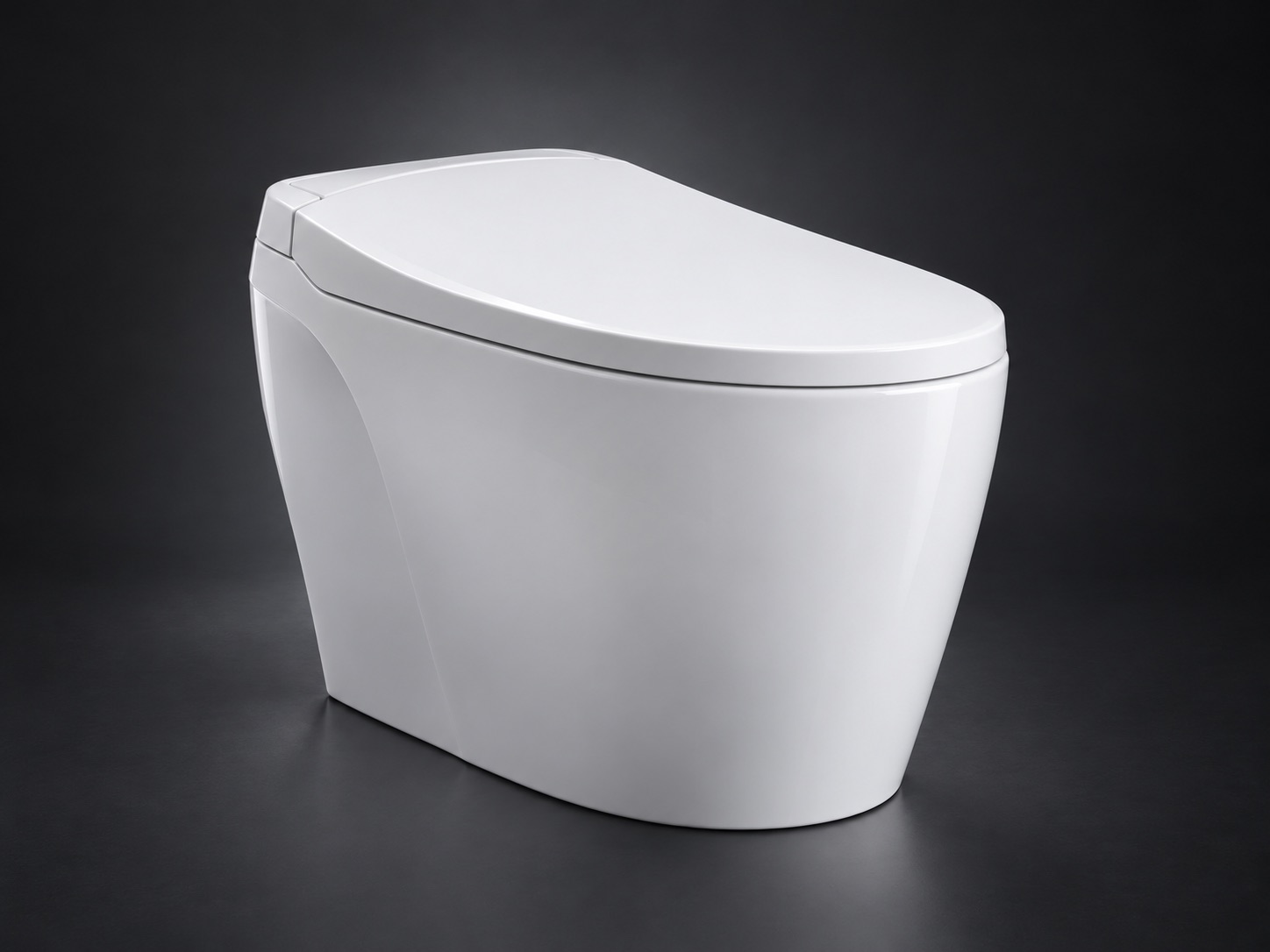
Begin with customers and channels
Define whether the range serves retail, distribution, residential projects, hospitality, renovation or online sales. Each channel values a different balance of appearance, price, installation familiarity, packaging and service support.
Use clear product roles
Instead of selecting many similar designs, give each model a purpose: entry volume, core seller, premium upgrade or project solution. A compact range helps sales teams explain differences and makes demand easier to measure.
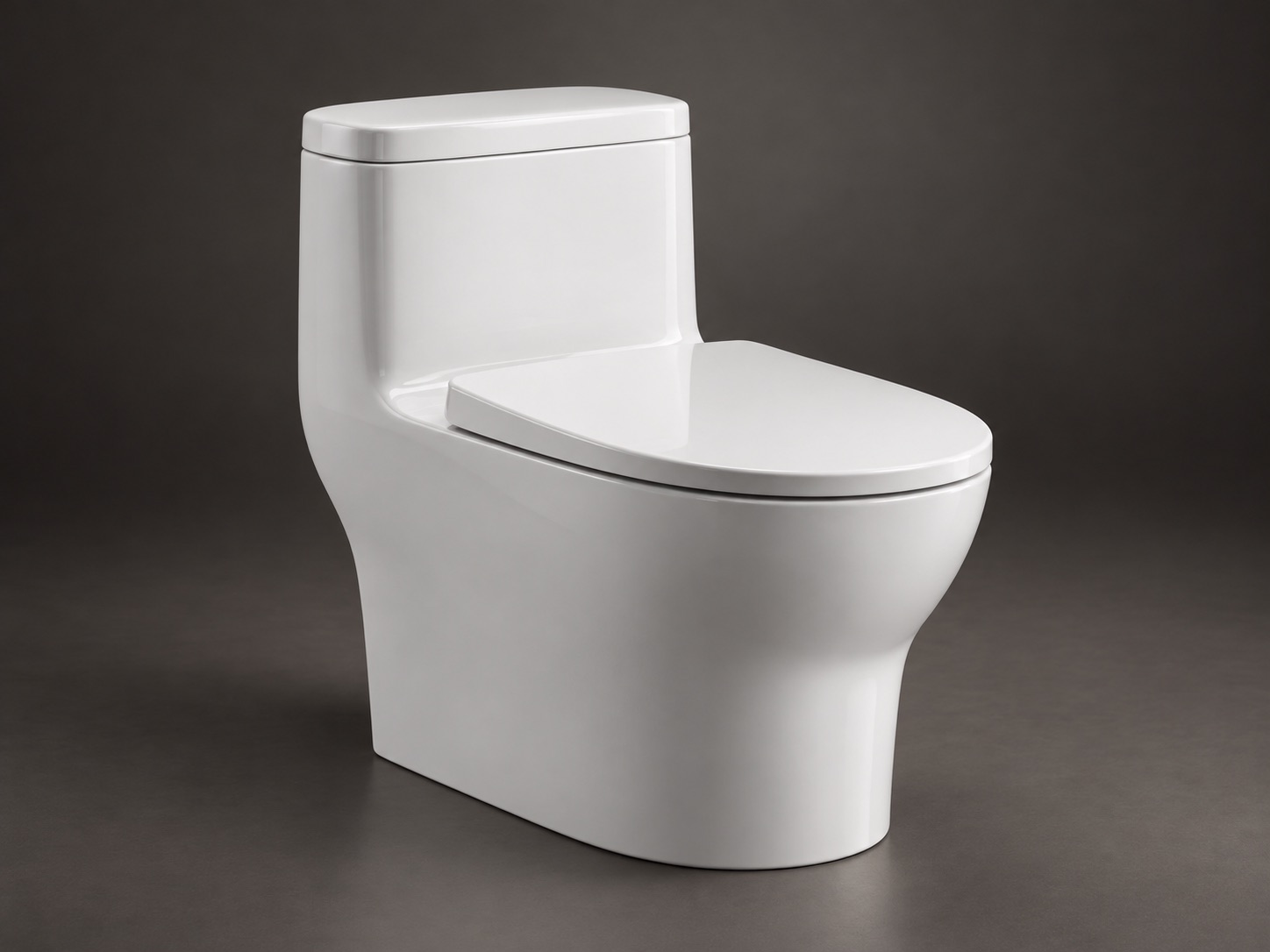
Control technical variation
Limit unnecessary differences in rough-in, water fittings, seats, electrical versions and accessories. Standardization can simplify stock, installation training, spare parts and repeat orders. Market requirements still take priority over internal convenience.
Balance differentiation with proven platforms
Private labels need a recognizable offer, but a first launch does not always require private tooling. Branding, finish, seat selection, packaging, function combinations and a disciplined product story can create useful differentiation while demand is validated.
Plan the second order before the first
Record the approved specification and service-parts plan for every model. Define which sales and complaint data will be reviewed after launch. The first range should create a learning system that supports better repeat orders and future product development.