Normalize the product before comparing price
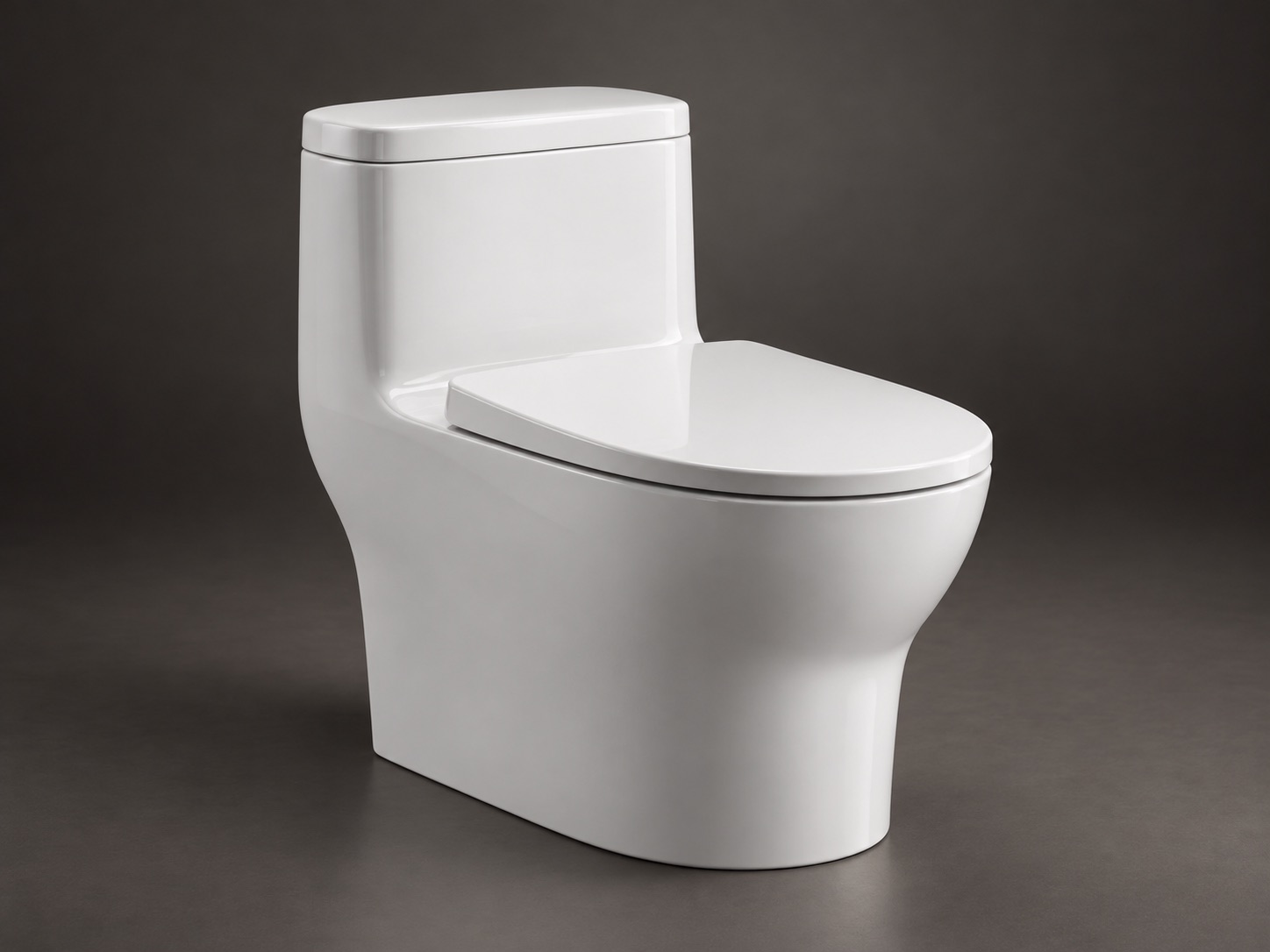
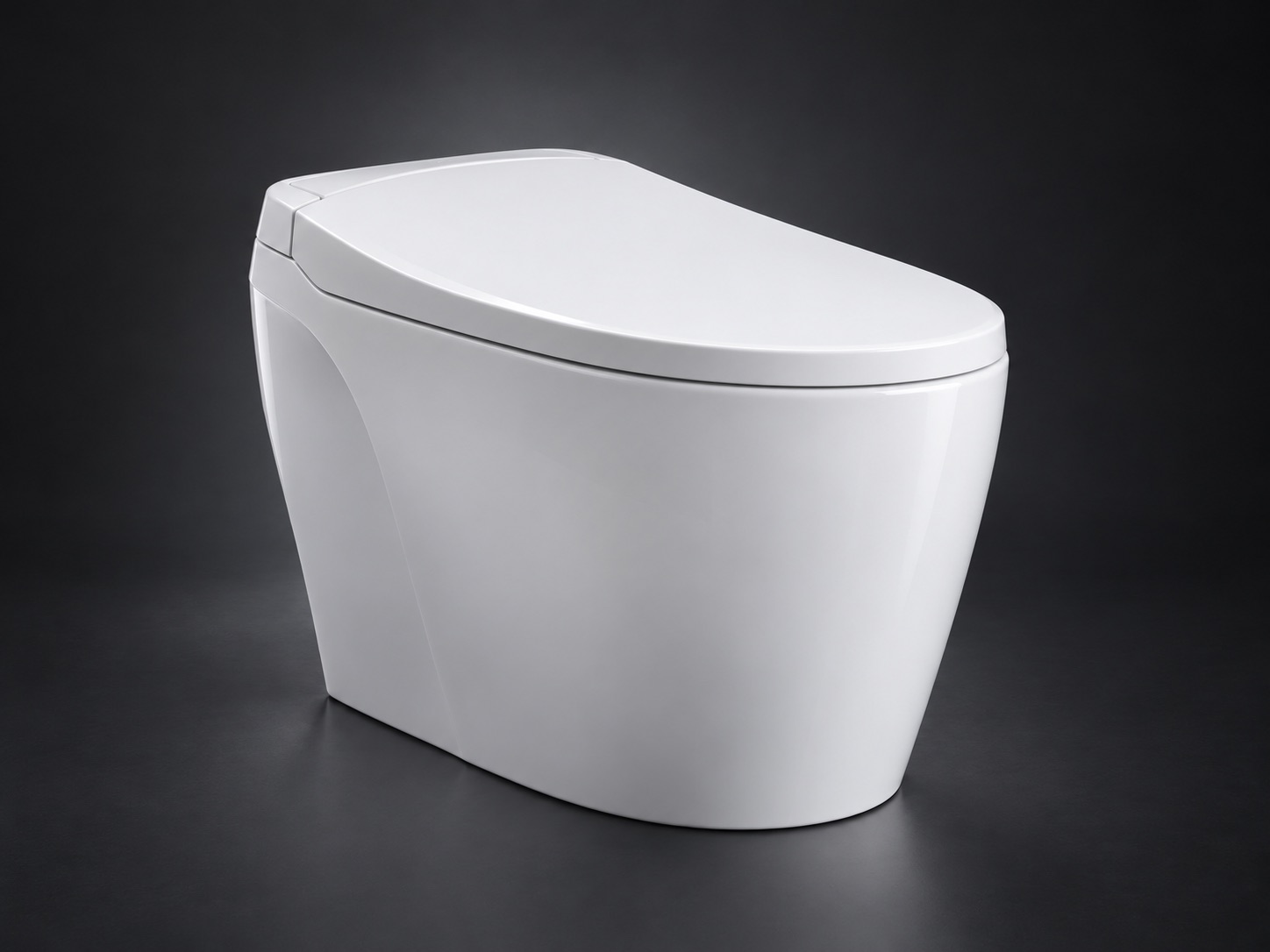
Two quotations are only comparable when they refer to the same commercial scope. Begin with the ceramic body, trap and rough-in, flushing configuration, seat, water fittings, included accessories and finish. For smart toilets, add voltage, plug, functions, remote control, electrical components and service parts.
Identify what is included
Ask whether the price includes private-label marks, printed cartons, manuals, labels, accessory packs, export protection and model-specific testing or documents. A lower quotation may exclude items that appear later as separate costs.
Compare logistics and landed-cost inputs
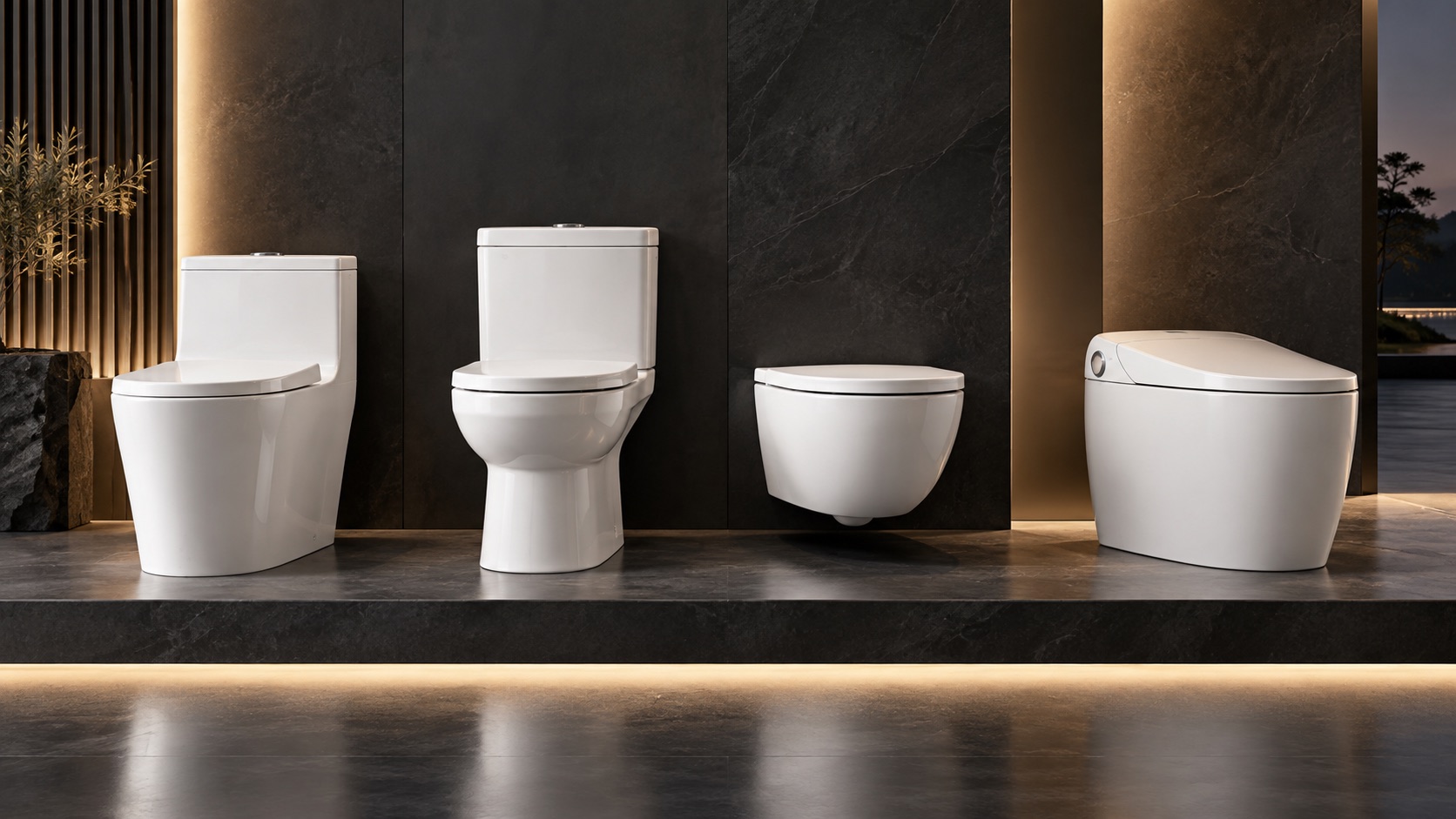
Review carton dimensions, gross weight and expected container quantity for the exact model. Confirm whether the quantity assumes floor loading or pallets. Freight, breakage risk and warehouse handling can change the commercial result more than a small difference in unit price.
Review MOQ, payment and lead-time assumptions
Clarify whether the MOQ applies per model, color, electrical version or carton design. Compare sample costs, tooling, artwork charges, payment terms and the point from which lead time begins. An attractive delivery promise is meaningful only when specification and artwork approval dates are defined.
Score risk as well as cost
Add supplier responsiveness, specification clarity, change control, inspection support and after-sales readiness to the comparison. The best quotation is the one that gives the buyer the clearest path to a repeatable product and predictable landed cost.