Loading quantity is a product decision
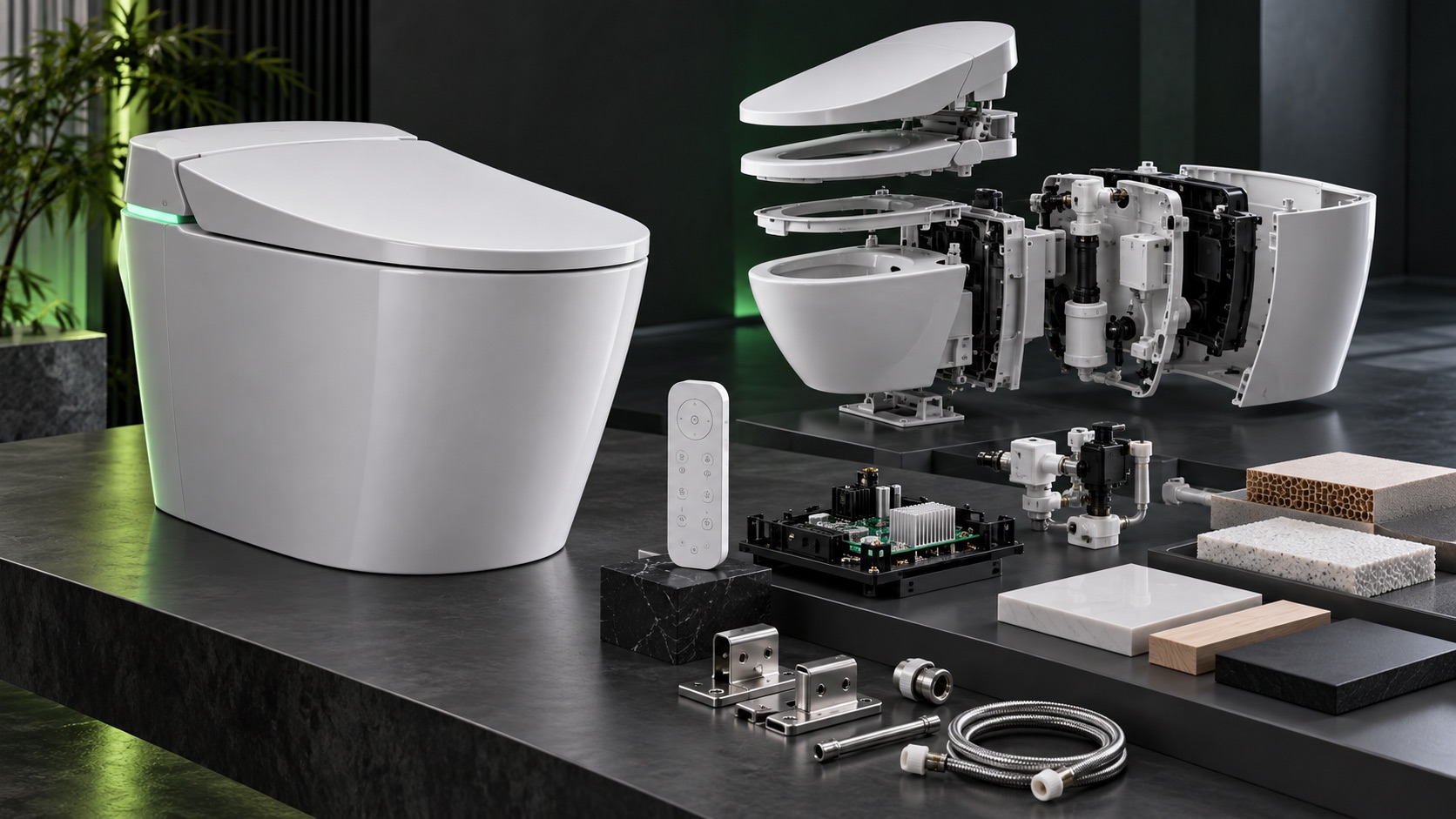
Container quantity is influenced by the toilet shape, carton dimensions, protection method and whether accessories are packed inside the main carton. A higher unit count is useful only when the packaging still protects the ceramic and supports safe warehouse handling.
Confirm the quotation basis
Ask whether the stated quantity refers to floor-loaded cartons or palletized cargo, and whether it applies to a 20GP, 40GP or 40HQ container. The supplier should identify any loading assumptions, mixed-model limitations and required orientation marks.
Review mixed-container planning
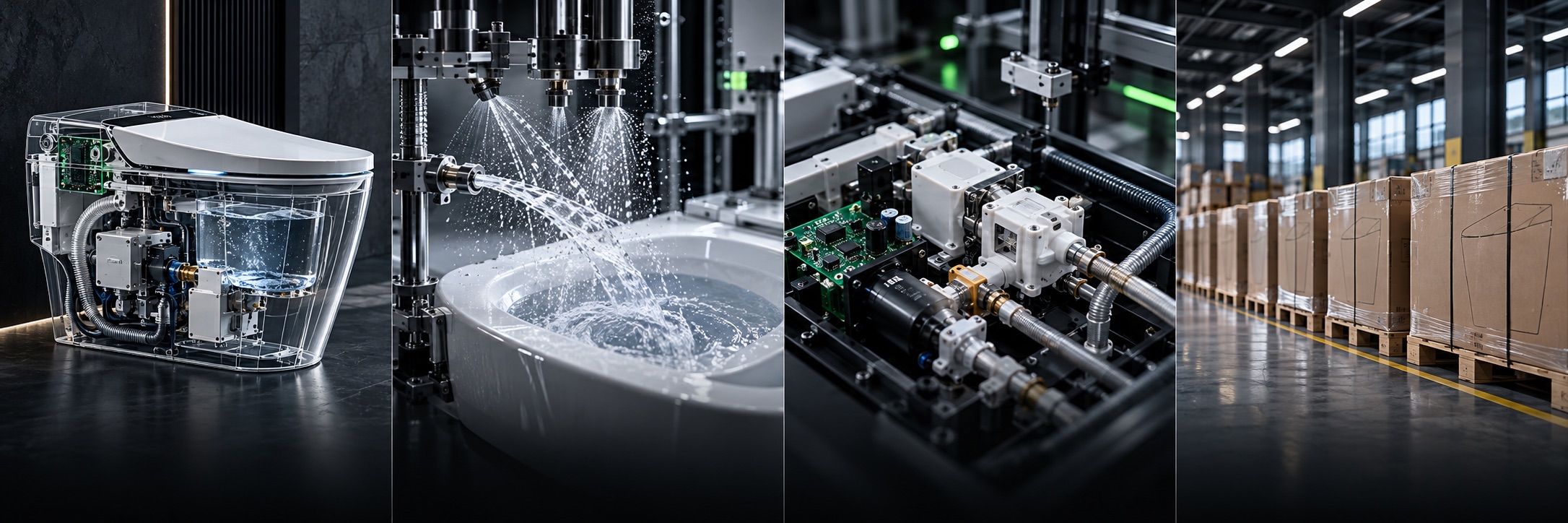
Mixed loads can help a distributor launch several models, but they require accurate carton data and a clear sequence. Heavy or high-volume cartons should not create unsafe pressure on lighter packages. Prepare a model-by-model packing list before production is released.
Protect accessories and documentation
Seats, valves, remotes, manuals and fixing kits should be secured so they cannot move against ceramic surfaces. Carton labels must remain visible during counting and unloading. If accessories ship separately, link them clearly to the correct product and purchase order.
Verify the final load
Before closing the container, record carton condition, model quantities, loading sequence, container number and seal number. Photos of the empty container, loading stages and completed load create a useful shipment record for both supplier and buyer.