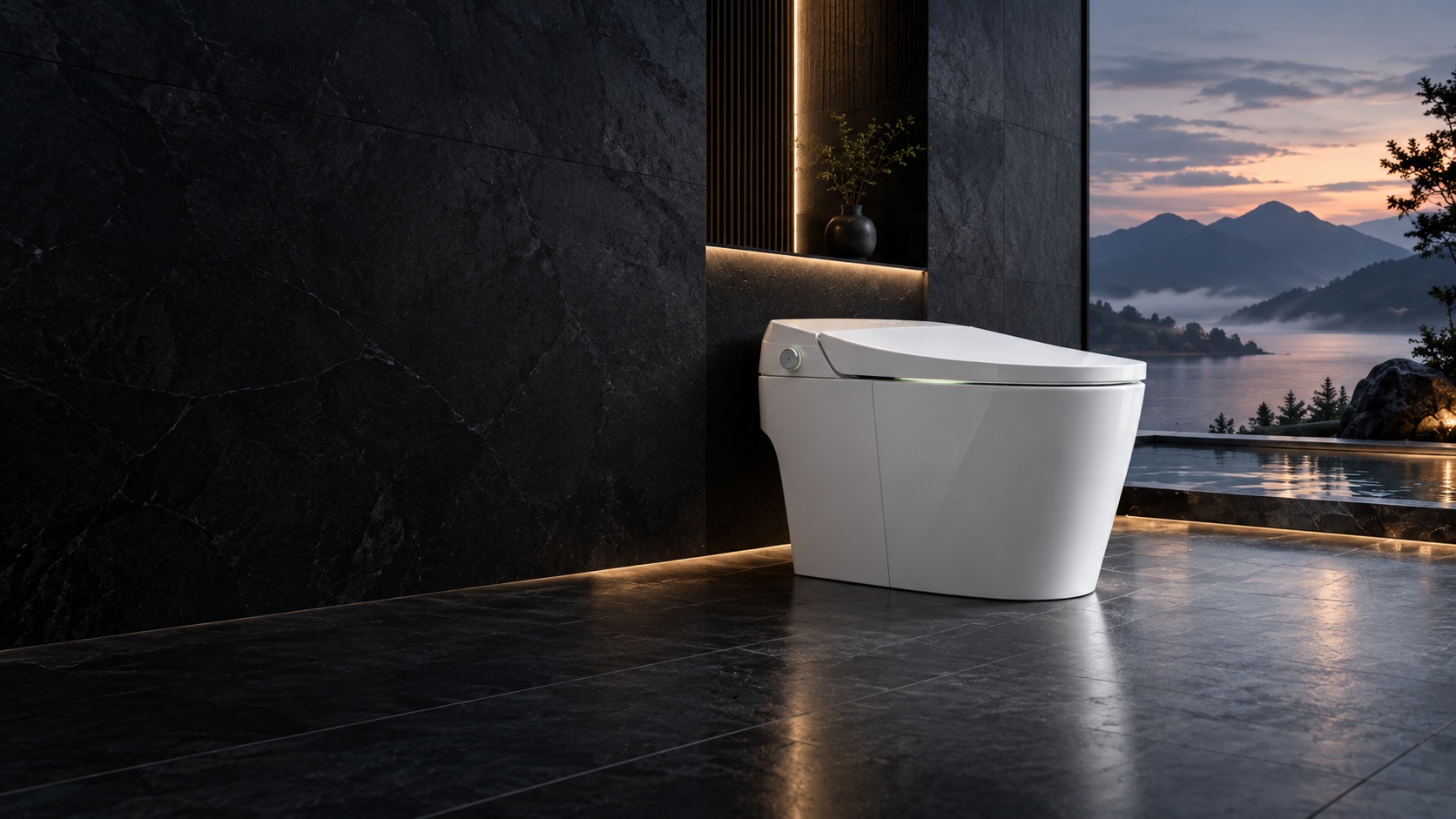
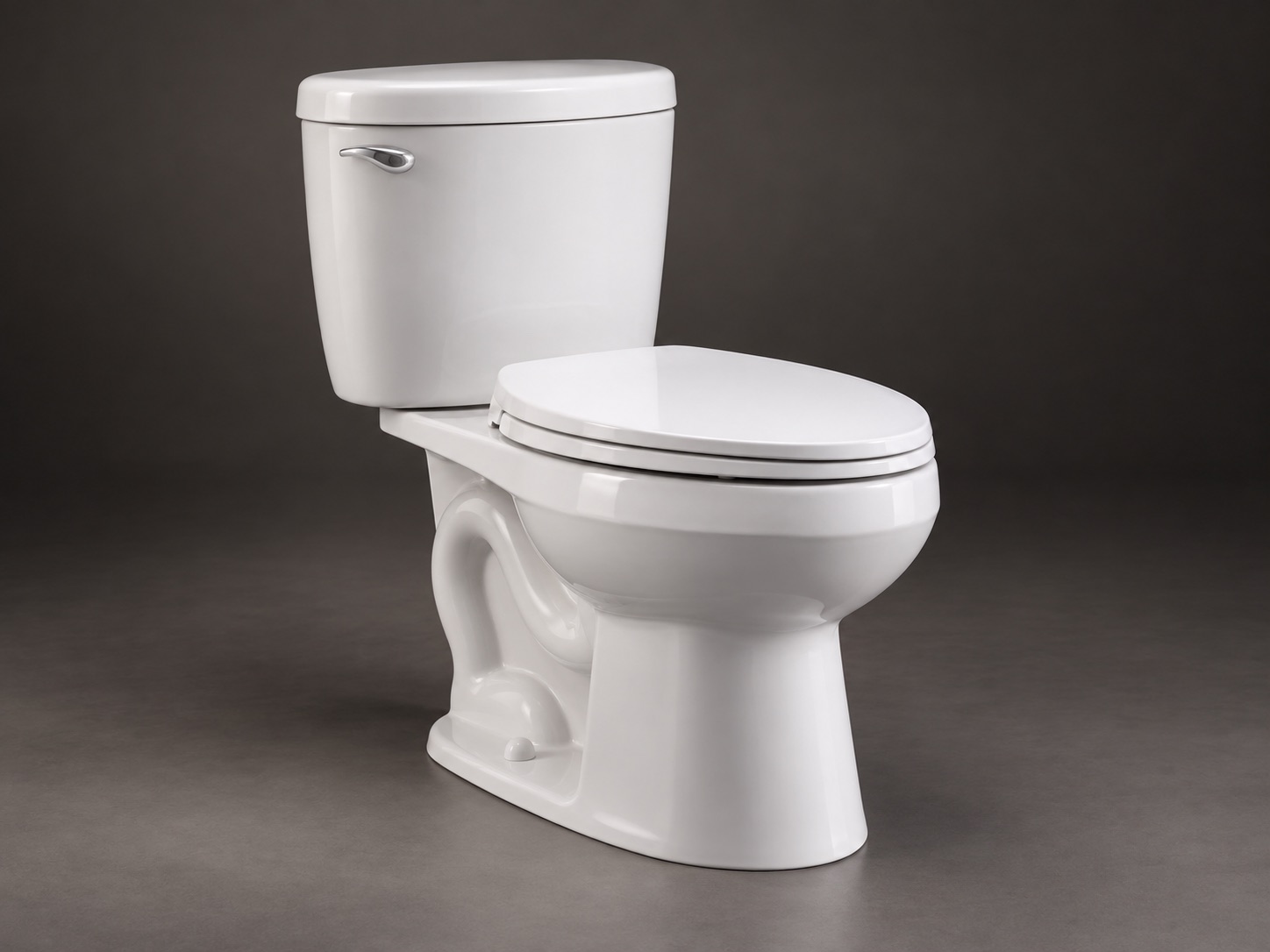
Stage 1: Define the commercial brief
Begin with the destination market, channel, target position, estimated volume and launch timing. Add plumbing, flushing, electrical, documentation and brand requirements. A clear brief allows the supplier to recommend suitable platforms instead of sending an unfocused catalog.
Stage 2: Select and configure the platform
Compare shortlisted models using drawings, specifications, packing data and commercial terms. Agree which items are standard and which require development. Record assumptions about MOQ, tooling, artwork and market-specific documents.
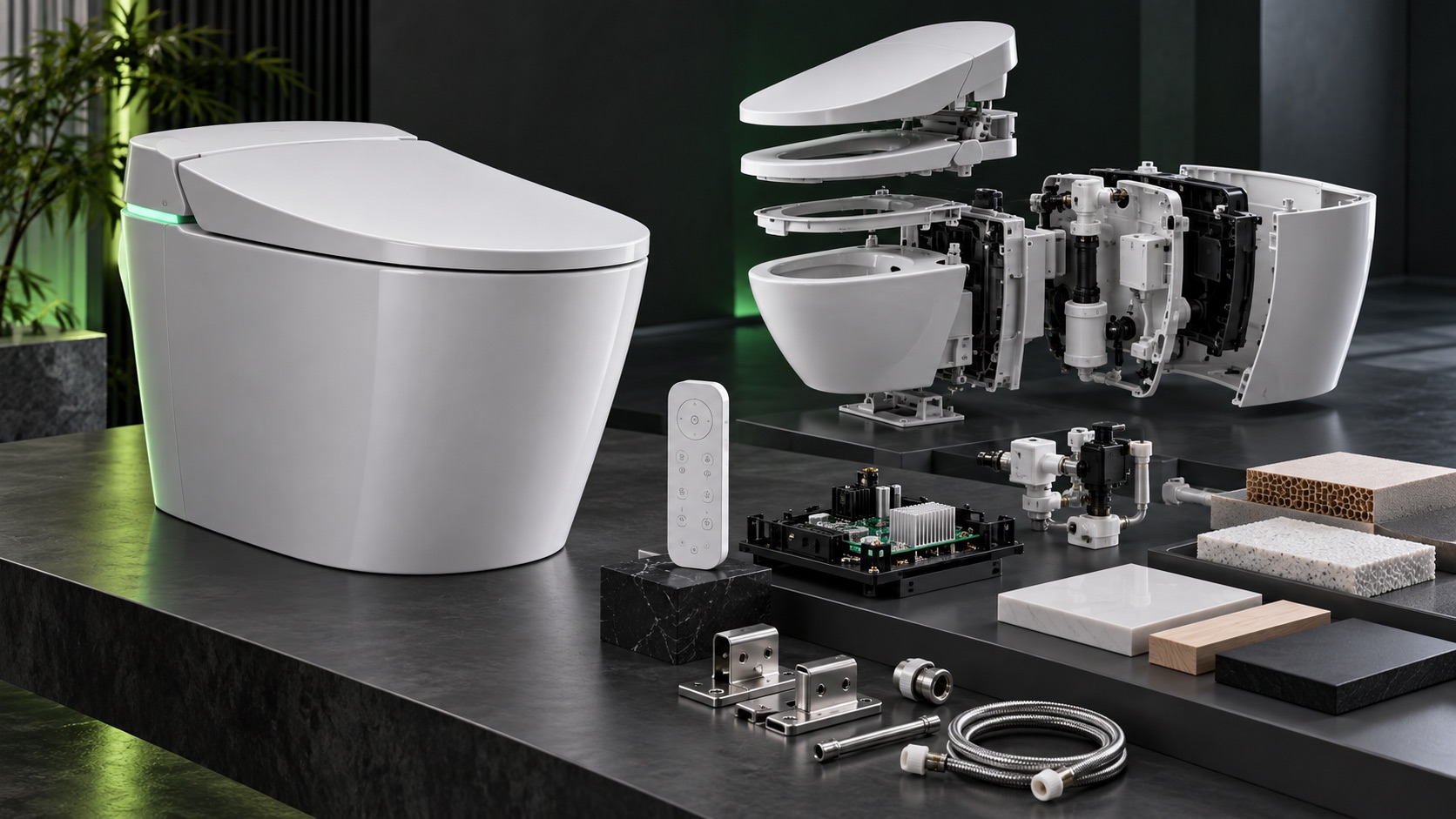
Stage 3: Build and test samples
The sample should represent the planned production configuration. Review performance, installation, appearance, accessories, labels and manuals. Keep one approved reference or a complete signed record of every approved detail.
Stage 4: Approve branding and production standards
Finalize product marks, cartons, manuals, labels, warranty materials and accessory packs. Agree the inspection criteria, packaging method, service-parts plan and any pre-shipment review required by the buyer.
Stage 5: Release production and shipment
Production should begin only after open decisions are closed. Track material readiness, key quality checkpoints and packing progress. Before shipment, verify quantities, model versions, documents, carton marks and loading records. A disciplined approval path is usually faster than correcting unclear requirements late in production.