Design service before launch
After-sales planning should begin while the product configuration is being selected. The buyer and manufacturer need a shared view of likely service cases, replaceable modules, diagnostic steps and responsibility for warranty decisions.
Create a model-specific parts list
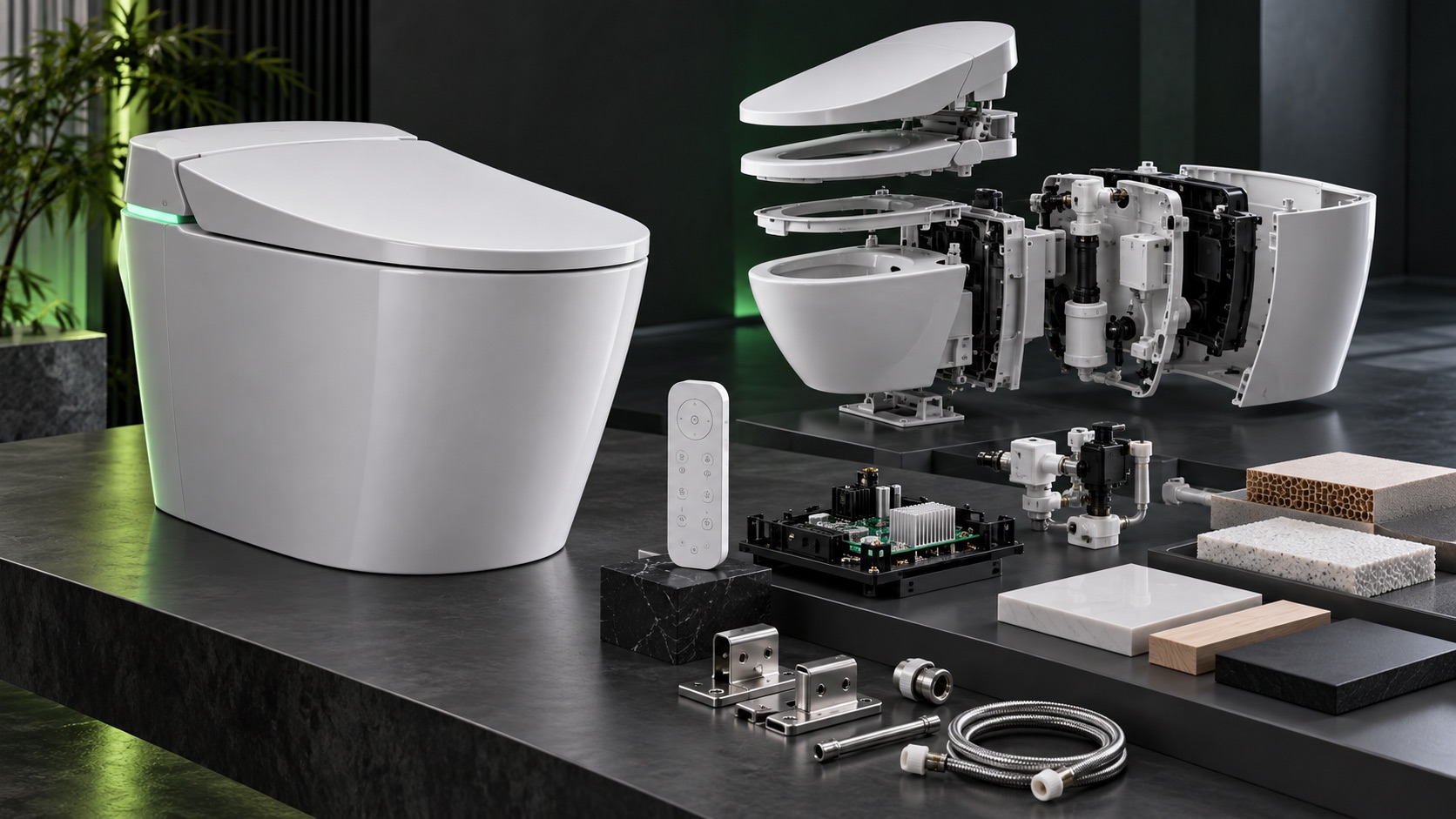
Identify the components that can be replaced without changing the complete product. Depending on the platform, this may include the remote, control board, valve, pump, heater, sensor, power cord, nozzle assembly or seat module. Part numbers and compatibility should be documented for each approved version.
Prepare simple diagnostic guidance
Support teams need a clear path from customer symptom to likely cause. Use photos, connector locations, error indications and safe checks that can be completed before a part is dispatched. Instructions should distinguish installation issues, water-supply conditions and product faults.
Agree an initial service stock
The recommended quantity depends on sales volume, product complexity and local repair capability. Prioritize parts with reasonable replacement frequency, long replenishment time or high customer impact. Service parts should be labeled and packed for storage, not treated as loose production leftovers.
Control changes across repeat orders
Component substitutions can create confusion if old and new versions are not tracked. Require notice of important hardware or software changes and maintain a product-version record. A stable service system protects the buyer's brand long after the first shipment arrives.