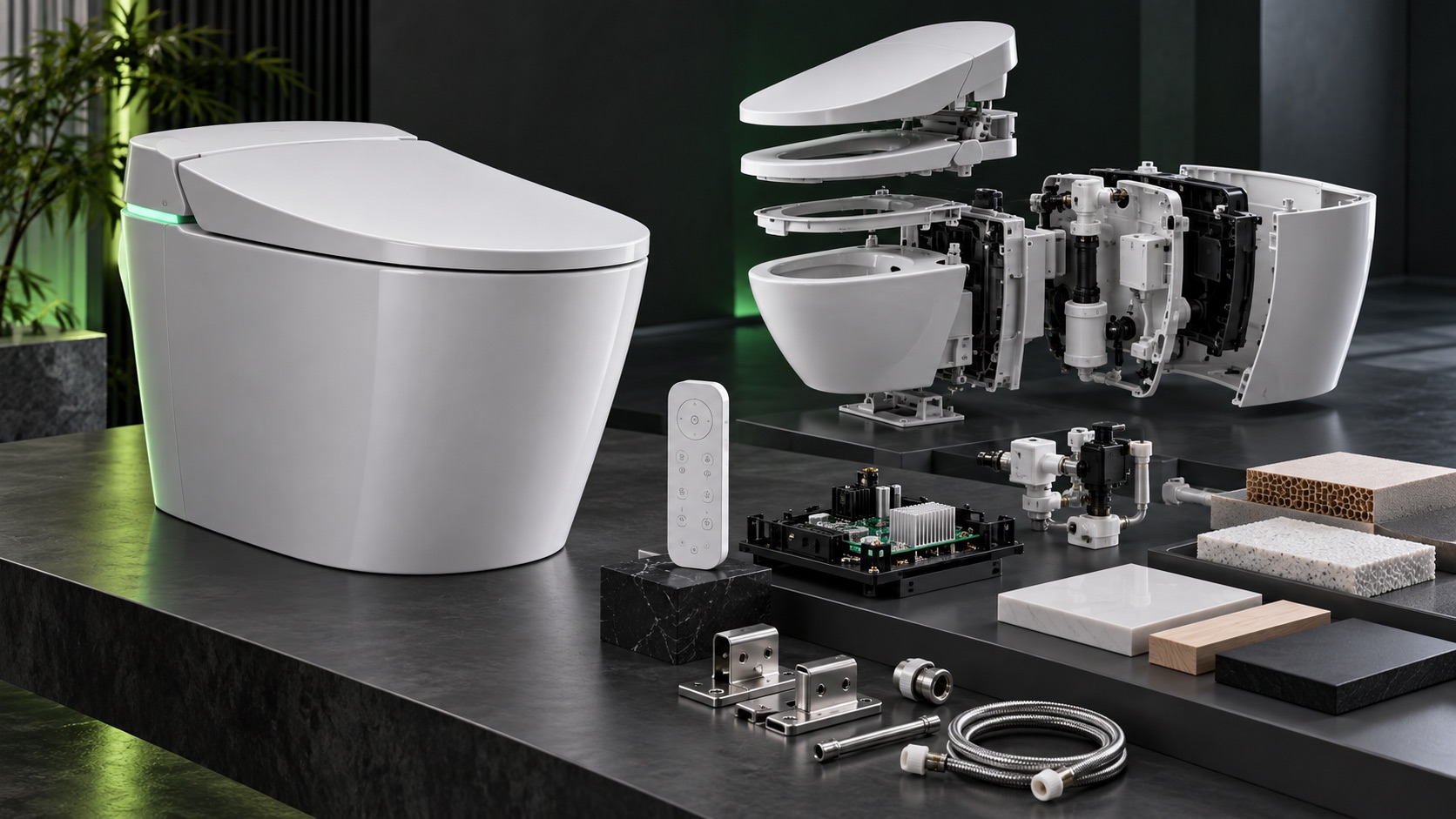
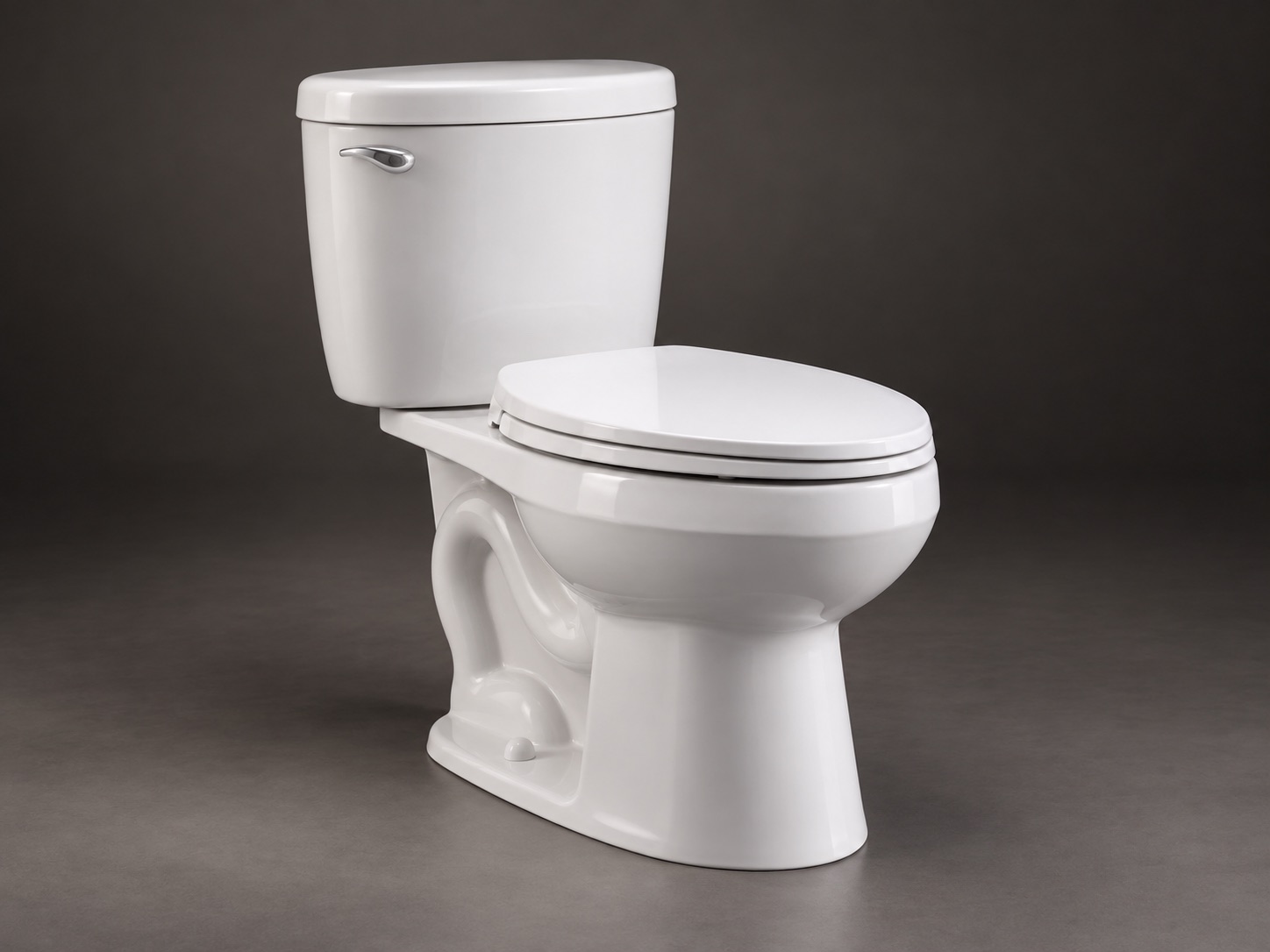
Understand the product promise
Rimless designs remove the traditional enclosed flushing rim and can make visible bowl surfaces easier to reach. Performance still depends on bowl geometry, water distribution and the selected flushing system. The word rimless alone does not guarantee strong or quiet performance.
Inspect flushing coverage
Test whether water reaches the intended bowl surfaces without excessive splash. Review performance under the water-pressure conditions expected in the destination market and with the specified flush volume. Repeat testing helps reveal inconsistent flow or setup sensitivity.
Review installation compatibility
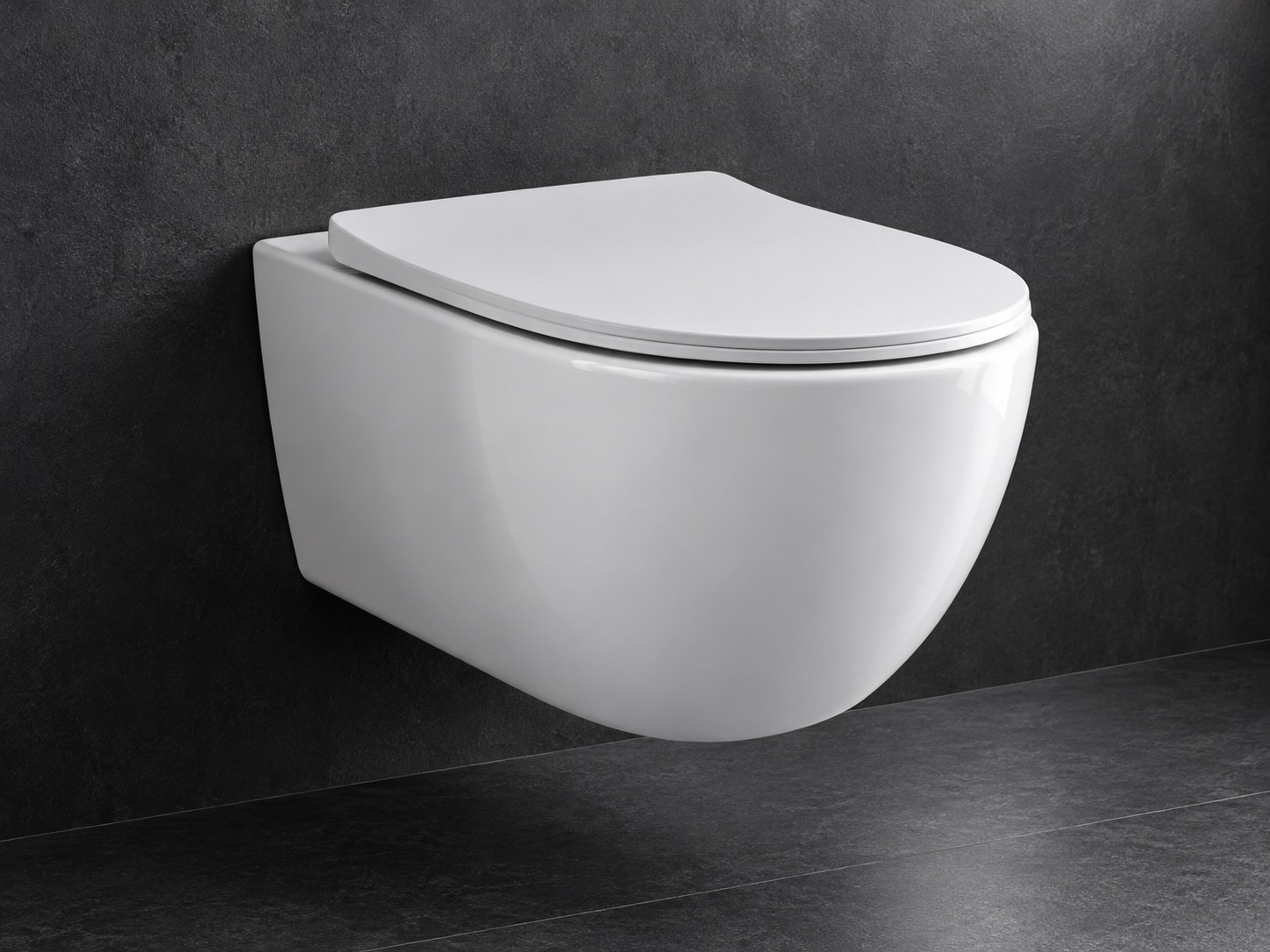
For wall-hung models, confirm the outlet, fixing distance, carrier compatibility, seat shape and flush interface. For floor-mounted models, verify trap type, rough-in and supply connection. Clear drawings reduce problems during project installation.
Compare cleaning and service details
Look at the glaze on visible and water-contact surfaces, the accessibility of the water path and how the seat can be removed. Quick-release seats and clear installation instructions can strengthen the user experience without adding unnecessary complexity.
Position the model clearly
Rimless toilets can support contemporary residential, hospitality and renovation ranges. Define whether the model is intended as an entry upgrade, a design-led product or a project solution, then align the seat, finish, packaging and sales materials with that position.