Start with the sales channel
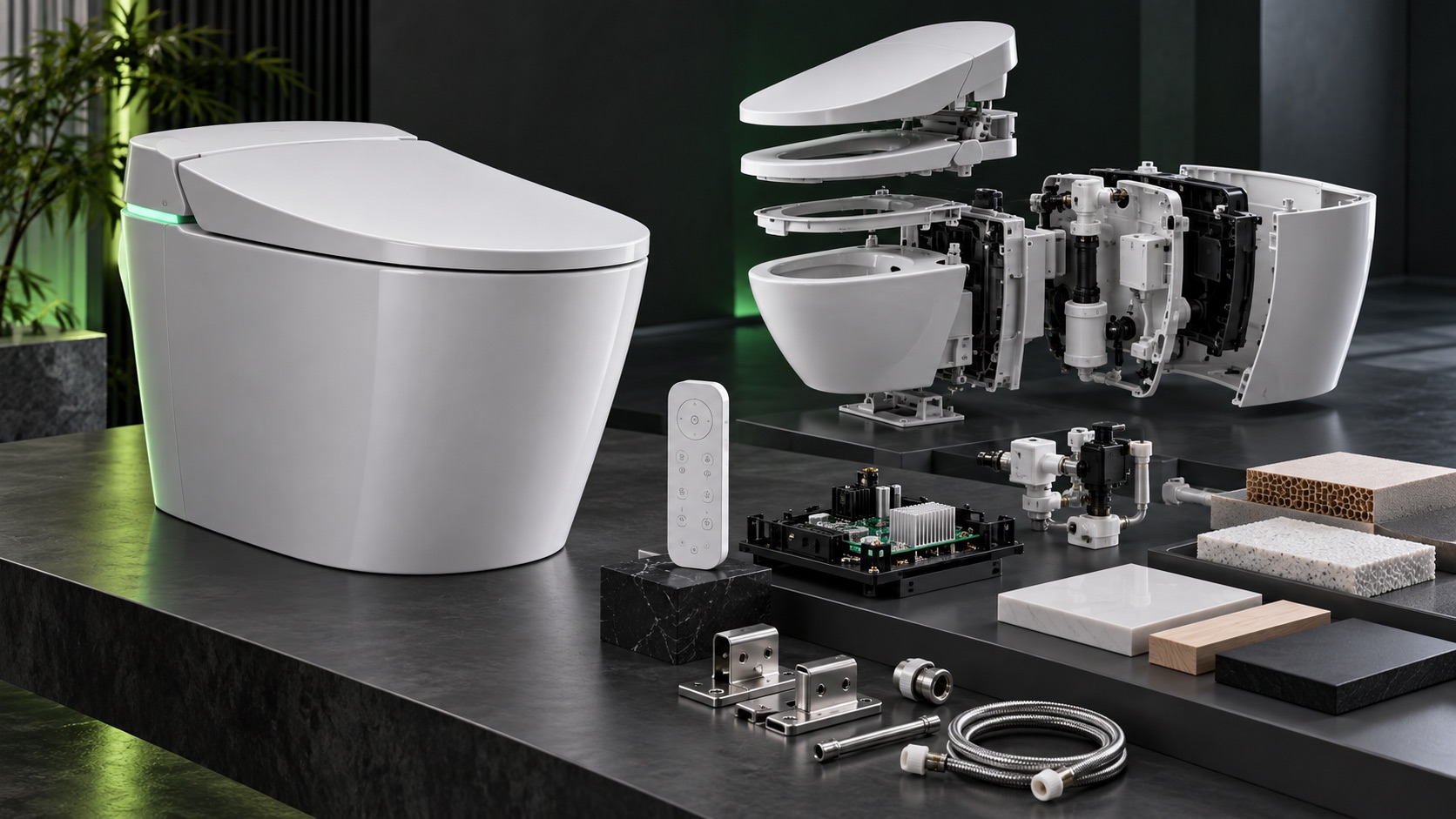
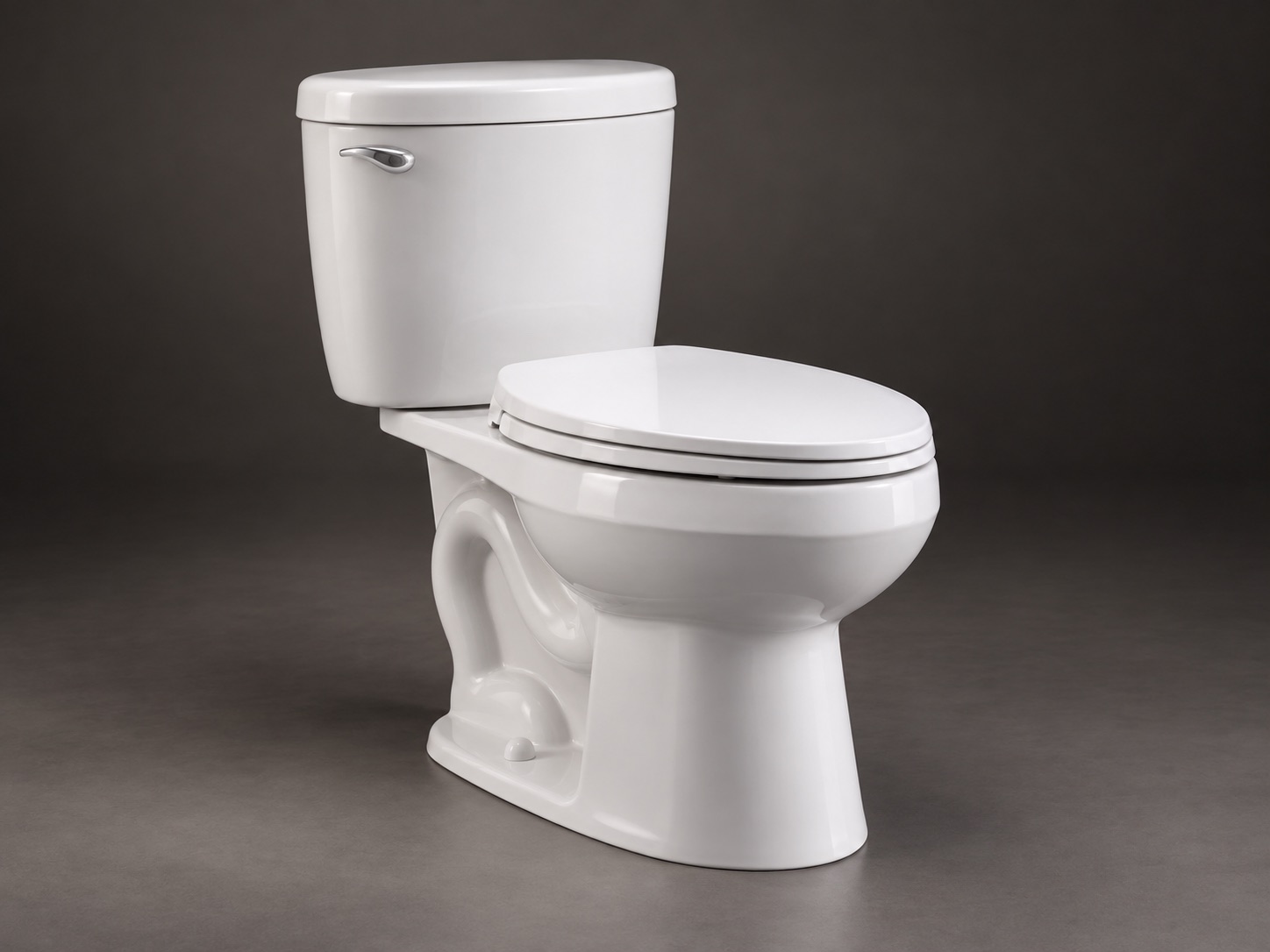
One-piece toilets often suit design-led retail, residential renovation and premium project offers. Two-piece toilets remain practical for distribution, replacement demand and projects that value familiar installation and component access. The right choice depends on customer expectations, target price and local plumbing practice.
Compare product and installation characteristics
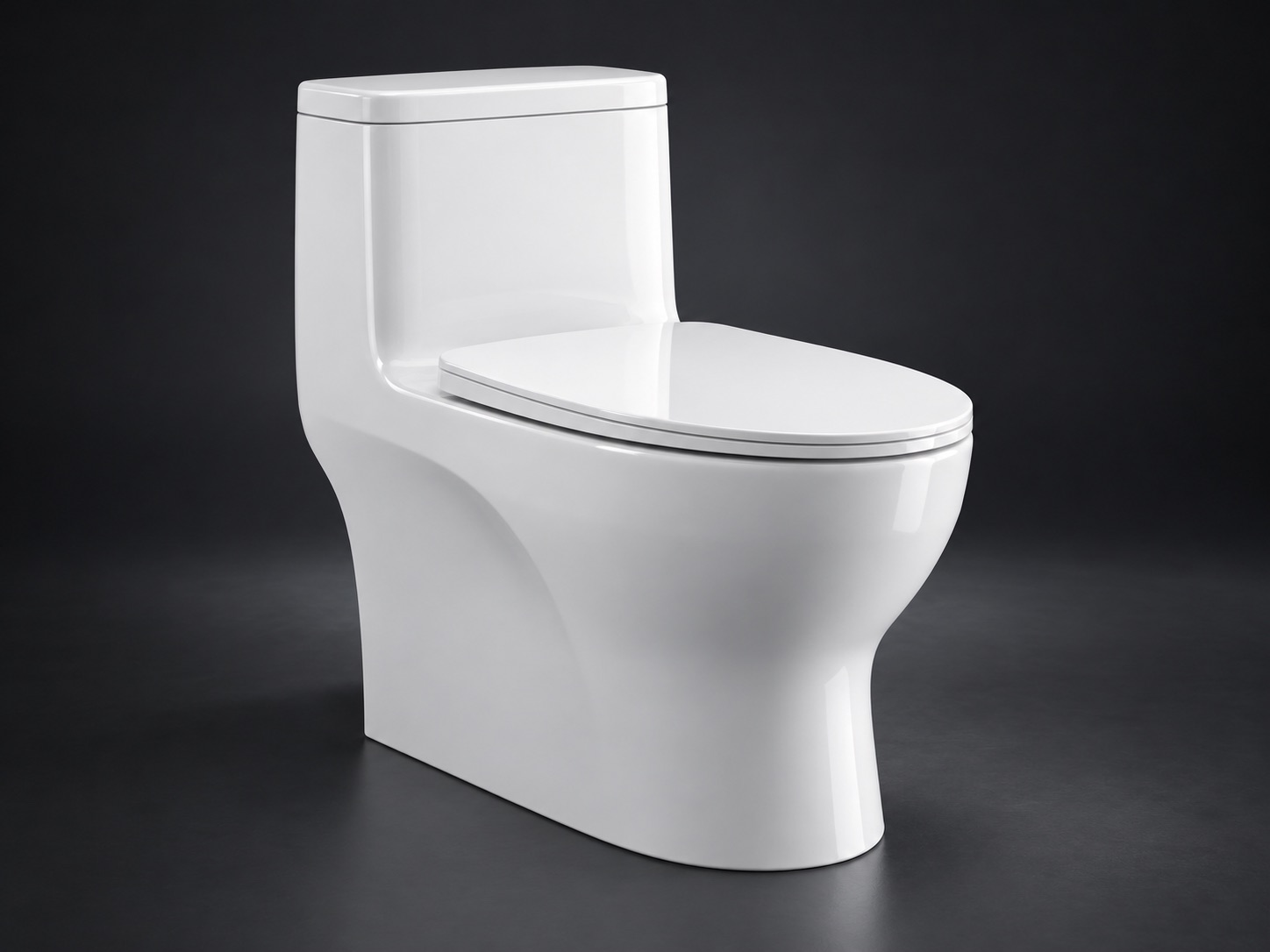
A one-piece body creates a clean integrated appearance and reduces the joint between tank and bowl. A two-piece format separates the tank and bowl, which can simplify handling and component replacement. Buyers should compare overall dimensions, bowl height, trap configuration, rough-in and seat options rather than choosing by appearance alone.
Review logistics at model level
Carton dimensions, gross weight, protection structure and container quantity can differ significantly. A compact two-piece model is not automatically more efficient once the tank, bowl, fittings and protective materials are considered. Request a complete packing specification and loading plan for each shortlisted model.
Plan service and spare parts
Confirm the inlet valve, flush valve, seat and fixing kit selected for the market. Standardized, replaceable components can reduce after-sales complexity. For one-piece products, also review access to internal fittings and the instructions provided to installers.
Build a balanced range
Many importers use a small number of one-piece models for visual differentiation and two-piece models for volume or project channels. A focused range makes inventory, sales training and spare-parts planning easier than a large collection of unrelated designs.